
LOW-VOLTAGE DISTRIBUTION / METERING / CONTROL
LV Distribution
Boxes.
Every circuit considered.
Every connection planned.
Low-voltage boxes and boards organized around your load schedule, protection and installation needs. Explore metering, power distribution and integrated cabinet arrangements.
Project-specific selection. Clear technical documentation.
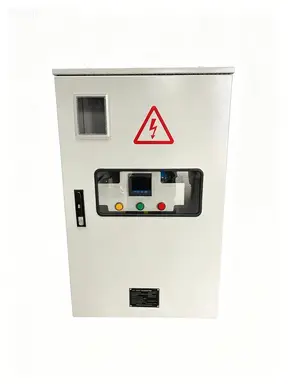
01 / THE RIGHT FIT
A useful enclosure
starts with the circuits.
An LV distribution box brings the incoming supply, protective devices and outgoing circuits into a defined assembly. Its design depends on the load, fault level, operating environment and access requirements.
VoltGrid helps establish the circuit and component scope before finalizing the enclosure. Cable space, heat dissipation, earthing and documentation are considered alongside the selected devices.
Start with a circuit schedule
Record the incoming supply, outgoing loads, protective devices and spare circuit requirements.
Review the complete assembly
Check enclosure space, component compatibility, thermal requirements and short-circuit performance together.
FROM SUPPLY TO CIRCUITS
- 01Incoming supplyVoltage · current · fault level
- 02Protection & meteringDevices · measurement · coordination
- 03Outgoing circuitsLighting · equipment · auxiliary loads
02 / CONFIGURATION OPTIONS
Three starting points
for your LV package.
Choose the function that best describes your project, then define the circuit and enclosure requirements.
Metering boxes
For arrangements that bring electrical metering and specified distribution functions together.
- Define meter quantity, type and connection method
- Confirm utility sealing and compartment requirements
- Coordinate protective devices and cable access
Power distribution boards
For distributing supply to lighting, general power and project-defined equipment loads.
- Provide the load and outgoing circuit schedule
- Define breaker selection and protection coordination
- Allow for cable termination, heat and future circuits
Integrated distribution cabinets
For projects combining distribution, metering, monitoring or specified control functions.
- Identify the functions and responsibility boundaries
- Review control, monitoring and auxiliary interfaces
- Specify any reactive-power compensation separately
Product scope and component availability are confirmed against the circuit schedule and destination requirements.
From incoming supply
to the final circuit.
Specify each part of the assembly so the enclosure and components can be reviewed as a system.
Incoming & busbars
Supply arrangement, rated current, isolation, busbar and neutral requirements.
Outgoing protection
Circuit ratings, protective functions, coordination and spare capacity.
Enclosure & wiring
Protection rating, segregation, cable entry, earthing and internal wiring requirements.
03 / TECHNICAL SELECTION
Turn your circuit list
into an equipment brief.
A device rating alone does not establish the rating of the whole assembly. Include fault, thermal and installation requirements in the enquiry.
Enquiry checklistPDF · Project specification worksheet| Selection parameter | What to confirm |
|---|---|
| Supply system | Rated voltage, phase, frequency and earthing arrangement |
| Incoming rating | Incoming current, isolation and protective device requirements |
| Circuit schedule | Load type, current, outgoing devices, controls and spare circuits |
| Fault duty | Prospective short-circuit current and specified assembly rating |
| Metering & monitoring | Meter arrangement, communications, sensors and auxiliary supply |
| Busbars & wiring | Busbar / neutral arrangement, conductor sizes and termination needs |
| Enclosure | Indoor / outdoor, protection rating, material, finish and segregation |
| Installation | Wall / floor mounting, cable entry, dimensions, access and ambient conditions |
| Verification & documents | Applicable IEC 61439 part or other project standard, drawings and verification scope |
Specific ratings, availability and supporting evidence are confirmed for the proposed equipment.
04 / APPLICATIONS
Built around
the way you use power.
Bring the application into the specification.
It shapes the equipment and the interfaces.
Commercial premises
Distribution and metering for buildings and shared facilities.
Focus: Circuit schedule & accessIndustrial sites
Boards for equipment, lighting and auxiliary systems.
Focus: Protection coordination & environmentUtility service points
Project-defined customer supply and metering arrangements.
Focus: Utility interfaces & sealingEnergy & infrastructure
Local power distribution and auxiliaries for project sites.
Focus: Enclosure & monitoring requirements05 / PROJECT SUPPORT
From your requirements
to a defined supply.
Agree the equipment scope, supporting documents and project interfaces at each stage.
- 01
Define the circuits
Provide the supply, load schedule and required functions.
- 02
Select the assembly
Coordinate devices, busbars, enclosure and cable space.
- 03
Review the documentation
Agree schematics, layout, labeling and verification requirements.
- 04
Prepare for installation
Confirm mounting, cable entry, packing and delivery scope.
06 / COMMON QUESTIONS
Before you
specify.
Practical questions about lv distribution box selection and project requirements.
Ask a technical questionWhat is the difference between a metering box and a distribution board?
A metering box centers on measurement and its associated interfaces. A distribution board centers on incoming and outgoing circuit protection. A project may combine these functions, but the complete scope should be specified.
Can I specify a preferred component brand?
Include the preferred manufacturer and device references in the enquiry. Availability, compatibility, thermal performance and the assembly verification requirements must be reviewed together.
Does an IP rating describe the complete assembly performance?
No. An enclosure protection rating is only one requirement. Electrical ratings, fault performance, temperature rise, wiring, access and environmental suitability also need review.
Is IEC 61439 compliance the same for all LV boxes?
The applicable part and verification requirements depend on the assembly and its intended use. Specify the required standard and evidence for the offered design rather than assuming that an enclosure or individual device establishes assembly compliance.
Can extra circuits be added later?
Spare space alone may not be sufficient. Current capacity, busbars, thermal limits, short-circuit performance and protection coordination must also support the change. State planned expansion needs at enquiry stage.
LET’S DEFINE YOUR NEXT PROJECT
Your requirements.
Our starting point.
Tell us what you are planning. Include “LV Distribution Box” in your message and share the information you have available.
- Supply voltage, incoming rating and outgoing circuit schedule
- Fault level, protection, metering and control requirements
- Enclosure rating, installation details and delivery destination
Request a project review
Start the conversation with our team.