
POWER DISTRIBUTION, RECONSIDERED
Dry Type
Transformers.
Power closer to
where it matters.
Oil-free transformer solutions for buildings, industry and infrastructure. Configured around your electrical system, installation space and operating environment.
Project-specific selection. Clear technical documentation.
01 / THE RIGHT FIT
An oil-free approach
to local power.
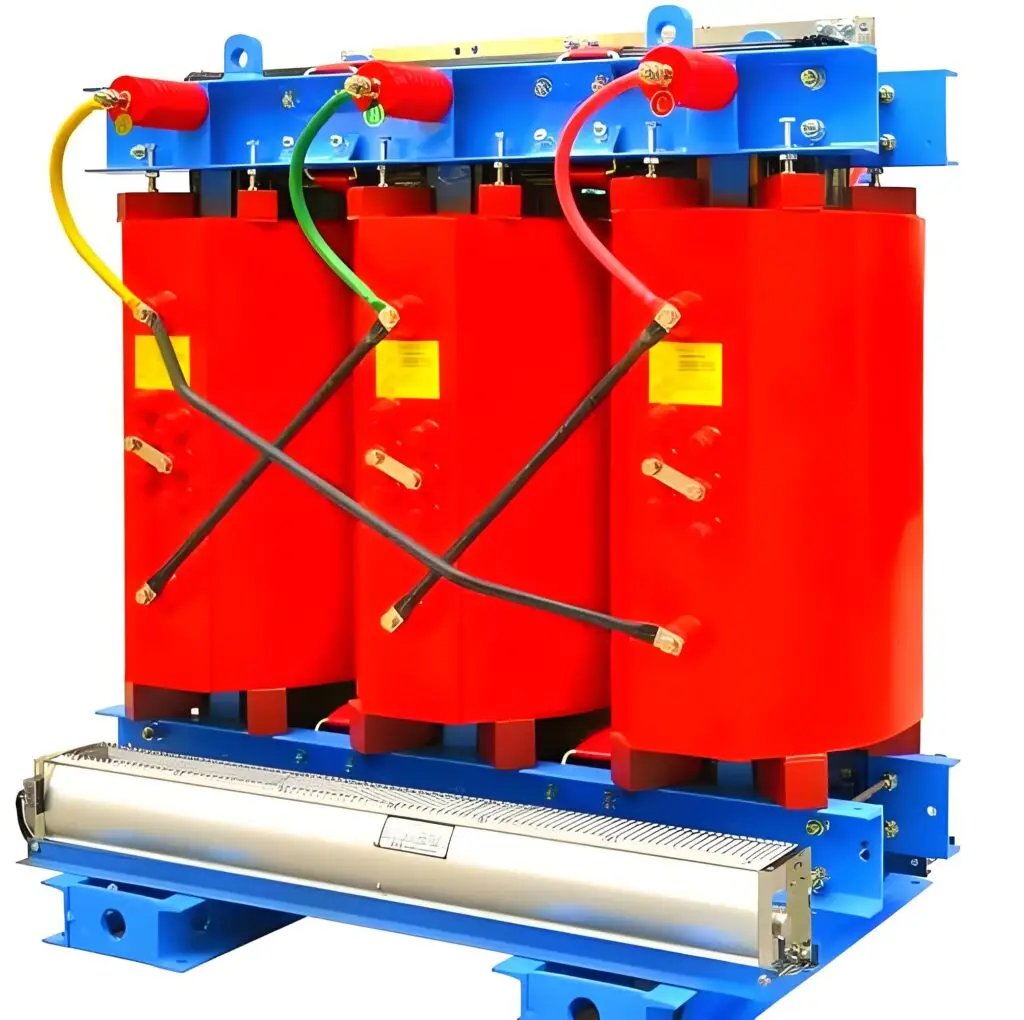
Dry type transformers use solid insulation and air cooling. They are a practical option when a project calls for electrical distribution near occupied buildings or within a plant.
The right design starts with the installation. VoltGrid helps review the load, ventilation, clearances and protection requirements before defining the equipment scope.
Designed around the room
Coordinate footprint, access, cable routing and ventilation from the outset.
Clear choices, from day one
Agree insulation, cooling and enclosure requirements with the electrical duty.
02 / CONFIGURATION OPTIONS
Start with your
installation environment.
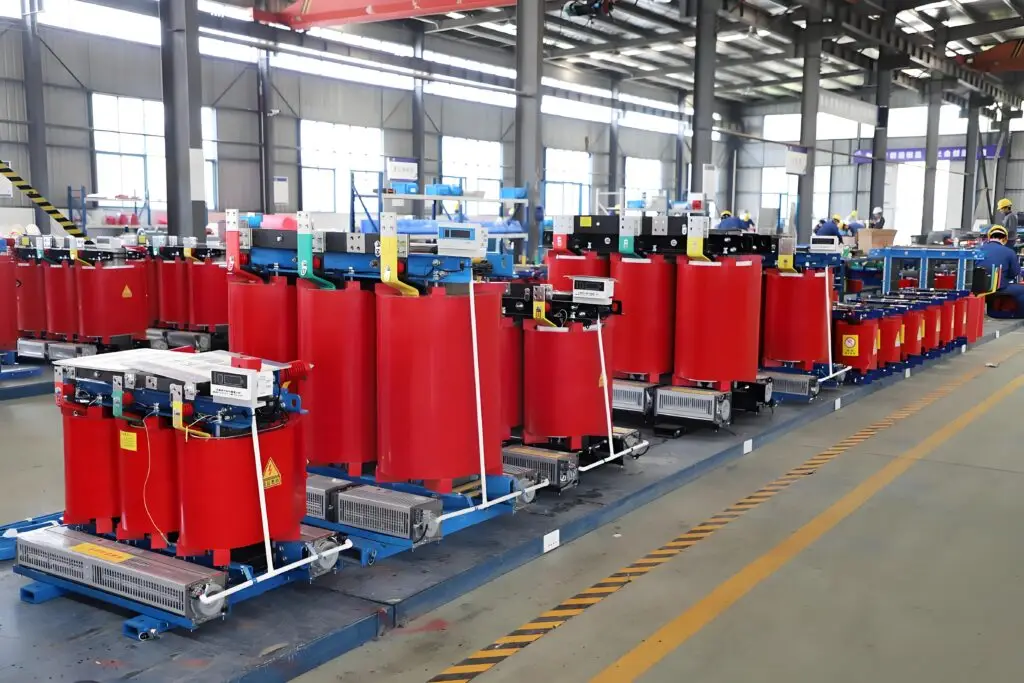
Enclosure and cooling choices work together. We review both against your site conditions and required rating.
Open-type installation
A transformer assembly for a dedicated, access-controlled electrical room or a separately engineered enclosure.
- Direct access for inspection and maintenance
- Room ventilation and electrical clearances to be verified
- Coordinate barriers, earthing and cable connections
Enclosed installation
A transformer with an enclosure selected for the location, access requirements and environmental exposure.
- Agree the enclosure protection rating and finish
- Review ventilation openings and heat dissipation
- Plan door access, cable entry and service space
03 / TECHNICAL SELECTION
The details that
define your transformer.
Use this checklist to start a technical discussion. Final ratings, dimensions and guaranteed performance are established in the project-specific quotation and drawings.
Enquiry checklistPDF · Project specification worksheet| Selection parameter | What to confirm |
|---|---|
| Rated power | Required kVA / MVA, load profile and future demand |
| Voltage & frequency | Primary and secondary voltages; 50 or 60 Hz system |
| Connection | Phase arrangement, vector group, taps and earthing |
| Insulation system | Cast resin or specified alternative; insulation level and thermal class |
| Cooling | AN (air natural) or AF (air forced), subject to design review |
| Performance | Impedance, losses, temperature rise and sound limits |
| Site & enclosure | Ambient temperature, altitude, humidity, dust and protection rating |
| Accessories | Temperature sensors, controller, fans and alarm / trip interfaces |
| Standards & tests | Applicable IEC / IEEE requirements and agreed inspection plan |
Specific ratings and certifications are confirmed for the selected design.
04 / APPLICATIONS
Different environments.
The same attention to detail.
Match the transformer to the duty, then coordinate the installation around it.
Commercial buildings
Offices, mixed-use developments and campuses.
Focus: footprint, sound & ventilationIndustrial facilities
Manufacturing, processing and plant distribution.
Focus: load duty & site conditionsData centers
Distribution systems serving IT and supporting infrastructure.
Focus: harmonics & system coordinationPublic infrastructure
Healthcare, education and transport facilities.
Focus: access & continuity requirements05 / PROJECT SUPPORT
A clear path from
enquiry to delivery.
Define the technical scope and documentation early, so every stage has a clear basis for review.
- 01
Define the duty
Share your specification, single-line diagram and site conditions.
- 02
Review the design
Confirm ratings, layout, accessories and the proposed test scope.
- 03
Verify the equipment
Review agreed test reports and inspection records for the supplied unit.
- 04
Prepare for site
Coordinate drawings, packing, handling and delivery requirements.
06 / COMMON QUESTIONS
Before you
specify.
A few practical points for your next project.
Ask a technical questionHow does a dry type transformer differ from an oil-filled design?
A dry type transformer uses solid insulation and air cooling instead of an insulating liquid. Selection depends on the electrical duty, location and installation requirements. An oil-free design still needs appropriate protection, ventilation and clearances.
Can a dry type transformer be installed outdoors?
Only when the complete design is suitable for the environment. The enclosure, moisture protection, ventilation, temperature range and corrosion requirements need to be reviewed together. An open indoor assembly should not be assumed suitable for outdoor use.
What is the difference between AN and AF cooling?
AN uses natural air circulation; AF uses fans to move air through the transformer. Any fan-assisted rating, control settings and permissible loading must be confirmed for the selected design.
Which standards and test documents should I request?
Identify the applicable project and local requirements at enquiry stage. IEC 60076-11 is a relevant reference for dry type power transformers within its scope. Agree the required routine, type or special tests and any certification evidence before placing an order.
What information is needed for a quotation?
Start with the rated power, primary and secondary voltages, frequency, installation location and quantity. A single-line diagram, loss limits, enclosure needs and delivery destination help define a more complete proposal.
LET’S DEFINE YOUR NEXT PROJECT
Your requirements.
Our starting point.
Tell us what you are planning. Include “Dry Type Transformer” in your message and share the details you have available.
- Rated power and voltage ratio
- Installation environment and enclosure needs
- Quantity, destination and target delivery date
Request a project review
Start the conversation with our team.