
UTILITY / COMMERCIAL / INDUSTRIAL
Distribution
Transformers.
The right transformer.
For the way you distribute power.
Explore oil-immersed, dry type, pole-mounted and pad-mounted configurations. Start with your load and installation environment to find the right route through the VoltGrid product range.
Project-specific selection. Clear technical documentation.
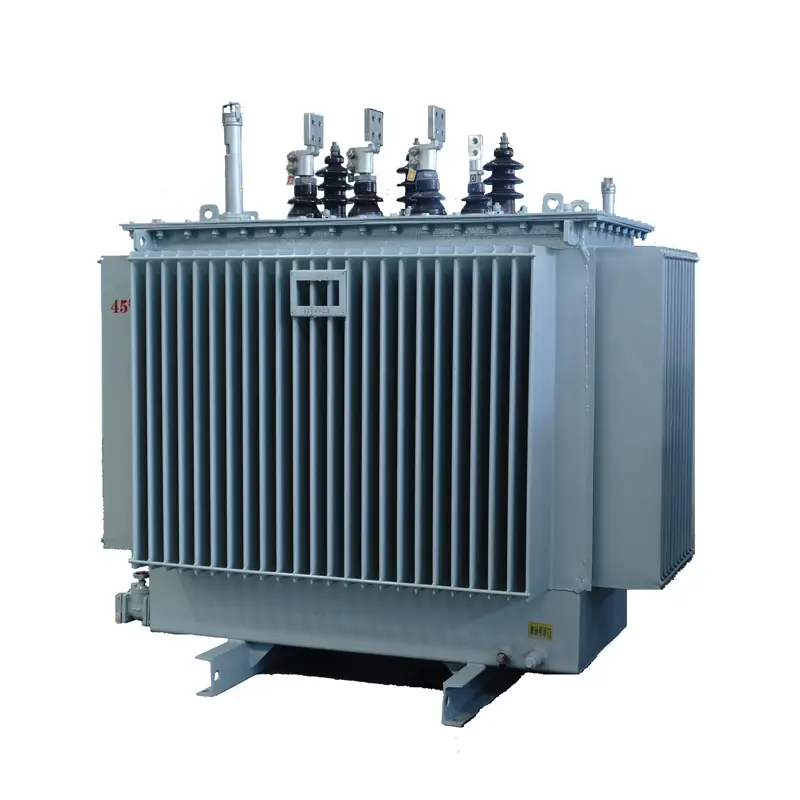
01 / THE RIGHT FIT
Start at the load.
Work back to the supply.
A distribution transformer connects the incoming network to the voltage needed by local equipment. The installation may be a plant, building, utility feeder or a renewable energy site.
Electrical duty is only part of the selection. Space, ventilation, cable routing, environmental exposure and utility requirements help determine which transformer format is appropriate.
Choose the installation first
An electrical room, overhead pole and underground cable network call for different equipment arrangements.
Keep the complete system in view
Coordinate the transformer with upstream protection, downstream distribution and earthing.
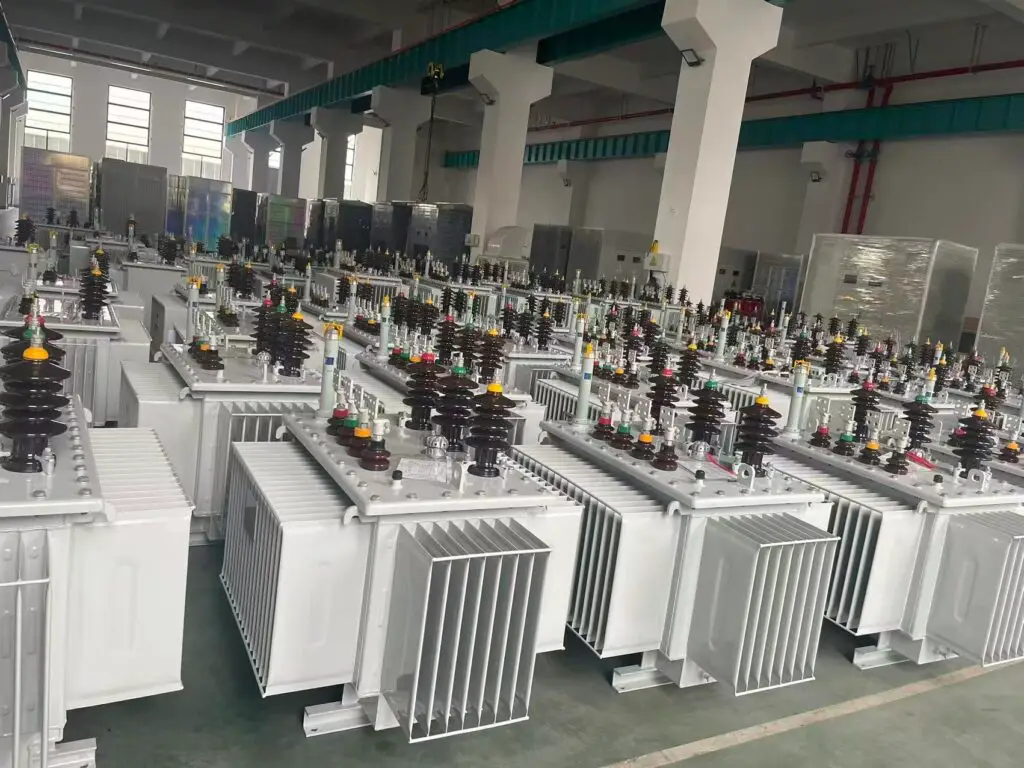
02 / CONFIGURATION OPTIONS
Find your
distribution format.
Use the product routes below to compare installation arrangements. Each configuration is reviewed against the actual network duty.
Oil-immersed distribution
Liquid-insulated equipment for project-defined distribution duties.
- Review tank, cooling and connection arrangements
- Define liquid, containment and environmental needs
- Confirm losses, noise and the applicable standard
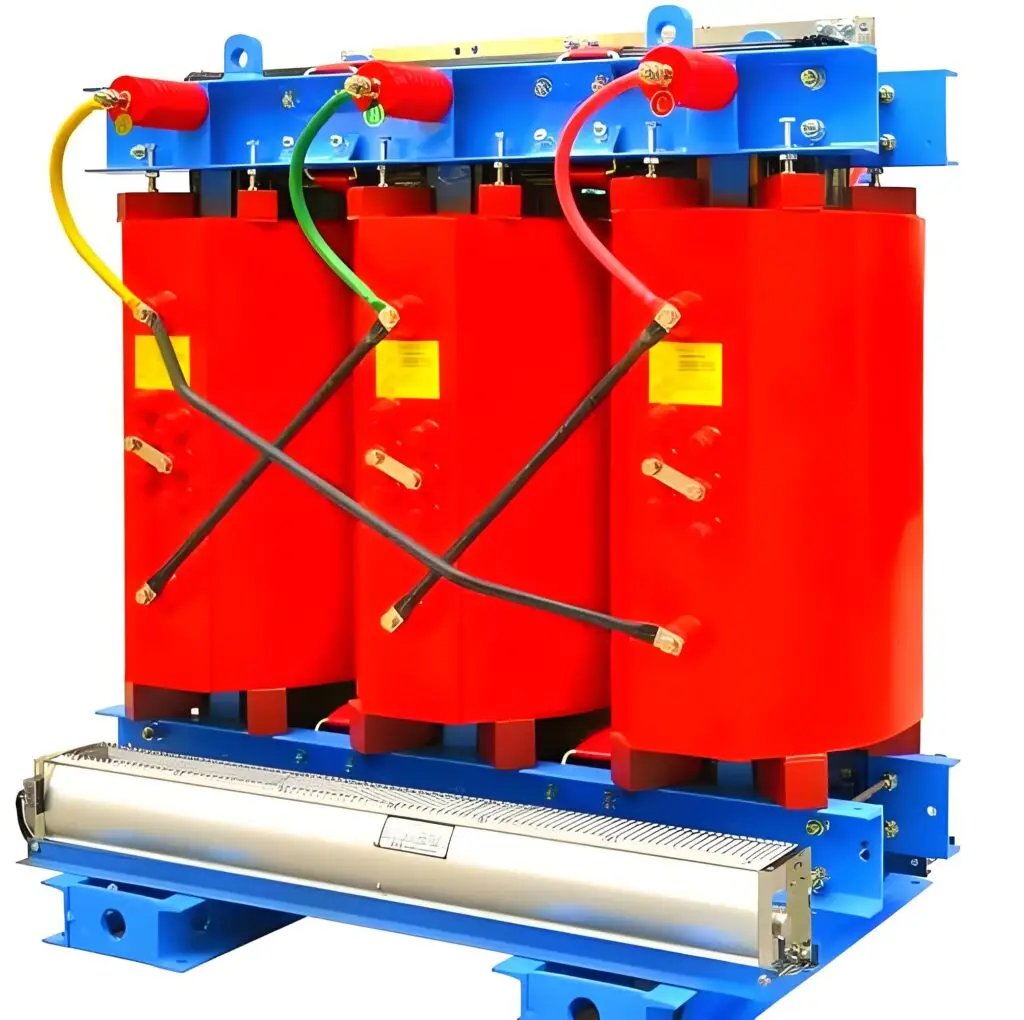
Dry type transformers
Solid insulation and air cooling for a suitable installation environment.
- Review ventilation and access clearances
- Select open or enclosed installation
- Coordinate temperature monitoring and protection
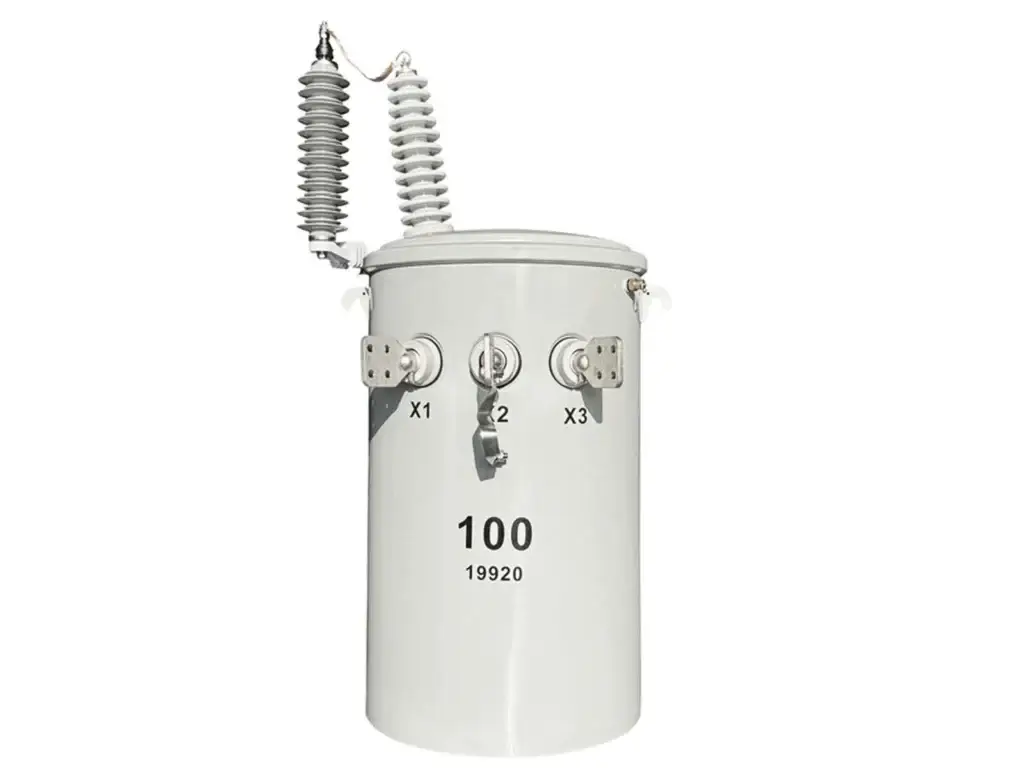
Pole-mounted transformers
Transformer arrangements coordinated with overhead distribution and pole structures.
- Specify single-phase or three-phase service
- Confirm mounting and connection details
- Coordinate fusing, surge protection and earthing
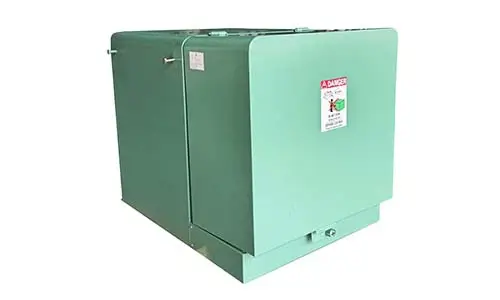
Pad-mounted transformers
Ground-level enclosed equipment for cable-fed distribution.
- Confirm single-phase or three-phase duty
- Review radial or loop feed requirements
- Match cable interfaces, access and enclosure needs
Not sure which format fits? Send the single-line diagram and installation details for a technical review.
03 / TECHNICAL SELECTION
Build a complete
selection brief.
These inputs help narrow the equipment format and establish the technical scope. Final values are confirmed for the selected design.
Enquiry checklistPDF · Project specification worksheet| Selection parameter | What to confirm |
|---|---|
| Load & capacity | Connected load, demand profile, starting duty and required kVA |
| Supply & output | Primary and secondary voltages, phase and frequency |
| Connection & earthing | Vector group, neutral requirements, taps and earthing system |
| Installation format | Oil-immersed or dry type; pole, pad or dedicated room |
| Losses & efficiency | Specified loss limits, evaluation basis and destination requirements |
| Environment | Ambient temperature, altitude, indoor / outdoor and exposure |
| Protection & interfaces | Upstream protection, terminals, cable sizes and LV connection |
| Mechanical requirements | Footprint, access, enclosure, foundation and handling limits |
| Documentation | Project standard, data sheet, drawings and agreed test reports |
Specific ratings, availability and supporting evidence are confirmed for the proposed equipment.
04 / APPLICATIONS
Built around
the way you use power.
Bring the application into the specification.
It shapes the equipment and the interfaces.
Utility distribution
Local substations and distribution network extensions.
Focus: Utility interfaces & load growthCommercial buildings
Offices, retail, education and mixed-use facilities.
Focus: Space, ventilation & soundIndustrial facilities
Plant supplies and distributed process loads.
Focus: Starting duty & load profileEnergy infrastructure
Auxiliary and local distribution at energy projects.
Focus: System duty & protection05 / PROJECT SUPPORT
From your requirements
to a defined supply.
Agree the equipment scope, supporting documents and project interfaces at each stage.
- 01
Map the supply
Define incoming voltage, loads and distribution requirements.
- 02
Choose the format
Compare insulation and installation arrangements.
- 03
Coordinate protection
Review terminals, earthing and upstream / downstream devices.
- 04
Confirm the scope
Agree data sheets, drawings, tests and delivery requirements.
06 / COMMON QUESTIONS
Before you
specify.
Practical questions about distribution transformer selection and project requirements.
Ask a technical questionShould I choose oil-immersed or dry type?
Consider the installation environment, electrical duty, space, ventilation and project requirements. The selection should include the complete installation rather than comparing transformer purchase cost alone.
How do I establish the required transformer capacity?
Provide the demand profile, major motor or equipment starting loads, diversity assumptions and future growth. An electrical designer should determine the required rating and any allowance for unusual loading.
Can the transformer support future expansion?
Expansion needs can be considered in the initial rating and layout. Cable capacity, protection, ventilation and space must also support the planned change.
Do the same requirements apply to every destination?
No. Utility interfaces, efficiency requirements, installation rules and accepted standards can differ by project and destination. Identify those requirements before finalizing the specification.
Can VoltGrid review a partial specification?
Yes. Start with the voltage ratio, estimated capacity, quantity and installation location. A single-line diagram or existing equipment nameplate helps identify the details that still need clarification.
LET’S DEFINE YOUR NEXT PROJECT
Your requirements.
Our starting point.
Tell us what you are planning. Include “Distribution Transformer” in your message and share the information you have available.
- Required kVA, primary / secondary voltage and phase
- Indoor / outdoor location and preferred installation format
- Quantity, destination and applicable project requirements
Request a project review
Start the conversation with our team.